
What is Damascus Steel and Its Use?
Damascus steel is a type of layered steel made by forge-welding alternating sheets of high-carbon and low-carbon steel, then folding and hammering them to create a strong, sharp, and visually distinctive blade. The result is a material known for its unique wavy patterns, excellent edge retention, and durability. Modern Damascus steel is commonly used in premium kitchen knives, hunting blades, and custom tools, where both performance and aesthetics matter. It’s a fusion of functionality and craftsmanship that continues to impress professionals and enthusiasts alike.
What is Damascus Steel?
Historical Origins
Damascus steel takes its name from the ancient city of Damascus, a vibrant center of trade and metallurgy in the Middle East. Around the 3rd century, skilled swordsmiths began forging blades from wootz steel, a high-carbon material sourced from India. These blades gained fame for their ability to slice through armor while remaining flexible, a rare combination that made them prized across trade routes stretching from the Middle East to Europe. Warriors and traders alike marveled at their sharpness and resilience, cementing their legendary status.
The original techniques for crafting Damascus steel faded by the 17th century. Some believe the loss stemmed from depleted ore deposits, while others argue the secretive nature of the craft—passed down through select guilds—led to its decline. Whatever the cause, the disappearance of true wootz-based Damascus left behind tales of near-mythical blades and a challenge for modern smiths to rediscover the art.
Modern Damascus Steel
Today’s Damascus steel revives the spirit of the original through a process called pattern welding. Blacksmiths stack layers of high-carbon and low-carbon steels, heat them in a forge, and hammer them together, folding the metal multiple times to create intricate designs. This method differs from ancient wootz steel, which relied on crucible-forged steel with unique crystalline structures formed during cooling. Modern Damascus prioritizes both visual appeal and practical performance, making it a favorite for blades like the Damascus pocket knife. While not identical to its historical predecessor, it captures the essence of layered beauty and durability, appealing to craftsmen and enthusiasts alike.
Key Characteristics of Damascus Steel
Aesthetic Appeal
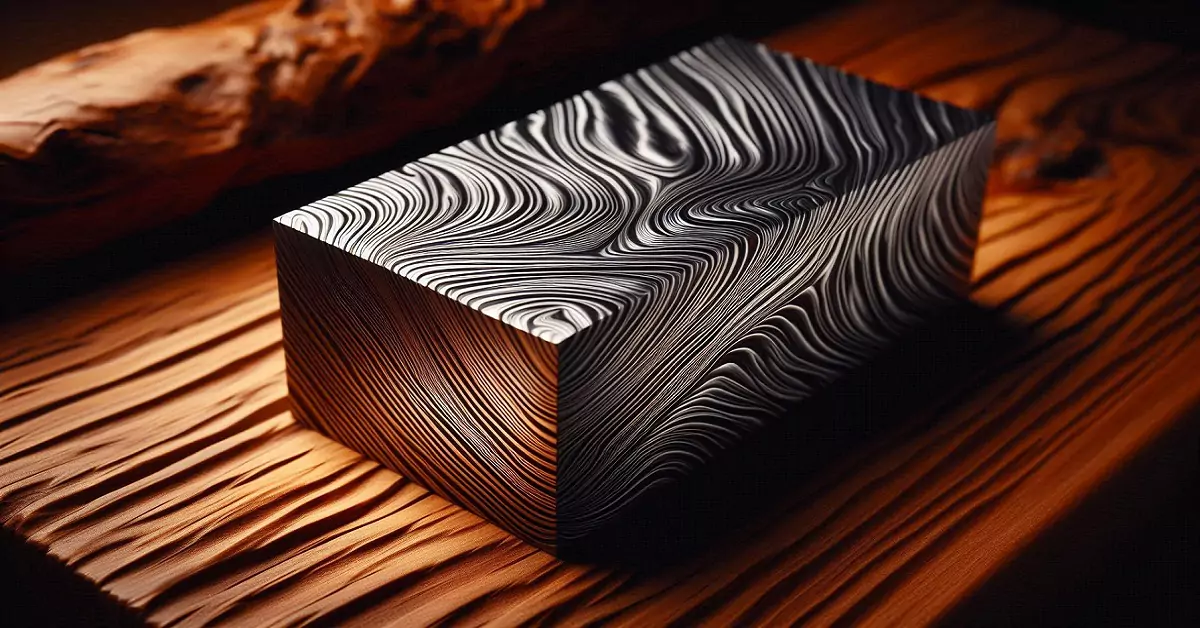
The hallmark of Damascus steel is its mesmerizing patterns—wavy, flowing designs that resemble rippling water or polished wood grain. These patterns emerge through acid etching, which highlights the contrast between layered steels. Forging techniques shape the designs, producing styles like raindrop, with circular motifs; twist, resembling braided strands; ladder, featuring parallel lines; and feather, evoking delicate plumes. Each Damascus bowie knife or blade becomes a one-of-a-kind piece, its patterns telling a story of the smith’s skill. These visuals make Damascus not just a material but a work of art.
Performance Features
Beyond its stunning appearance, Damascus steel performs exceptionally. The high-carbon steel layers provide superior edge retention, allowing blades to stay sharp through extensive use, whether chopping vegetables or cutting rope. The layered construction balances hardness with flexibility, preventing the blade from chipping or snapping under stress. This makes a Damascus hunting knife ideal for rugged tasks like field dressing game. The combination of sharpness, toughness, and resilience ensures Damascus blades excel in both practical and demanding scenarios.
Challenges
Damascus steel isn’t without its quirks. Its high-carbon content makes it susceptible to rust, especially in humid environments. Owners of a skinning knife must clean, dry, and oil their blades regularly to prevent corrosion. Mishandling—such as cutting hard materials like bone or neglecting maintenance—can damage the edge or surface. While these challenges require diligence, they’re manageable with proper care, ensuring the blade remains both functional and beautiful for years.
Popular Uses of Damascus Steel
Knives
Damascus steel shines in knife-making, transforming everyday tools into heirlooms that blend form and function.
Kitchen Knives
In the kitchen, a Damascus knife set turns meal prep into an experience. Chef’s knives glide through vegetables with precision, their sharp edges making clean cuts effortless. Cleavers tackle tough cuts of meat, while paring knives handle delicate tasks like peeling apples or trimming herbs. The intricate patterns add a touch of elegance, making these knives a favorite for home cooks and professional chefs who value both performance and style.
Outdoor & Tactical Knives
For outdoor enthusiasts, Damascus steel excels in rugged environments. Blades crafted from Damascus blanks offer durability for tasks like skinning game or building shelters. These knives hold their edge through tough materials, making them reliable for hunters, campers, or survivalists. Their portability and strength also suit tactical applications, where reliability is critical. Whether in the wilderness or on a mission, Damascus delivers.
Swords and Historical Blades
Damascus steel’s legacy thrives in swords, connecting modern craftsmanship to historical traditions. Middle Eastern designs like the shamshir and scimitar feature elegant curves and intricate patterns, reflecting their cultural origins. European-inspired blades, such as the Carolingian sword or claymore sword, appeal to collectors and reenactors. A Damascus steel sword or Damascus rapier serves as a ceremonial piece or display item, celebrating the material’s warrior heritage. These swords are not just weapons but symbols of artistry and history.
Tools and Accessories
Beyond blades, Damascus steel crafts functional tools like axes, chisels, and scissors. These handmade pieces, often custom-ordered, combine practicality with striking visuals. Woodworkers and artisans value high-end tools for their precision and aesthetic appeal. For example, a Damascus chisel not only cuts cleanly but also stands out in a workshop, blending utility with craftsmanship. These tools elevate everyday tasks into something special.
Luxury & Decorative Items
Damascus steel’s unique patterns enhance luxury goods. Jewelry, such as rings, bracelets, and pendants, showcases miniature versions of its iconic designs, offering wearable art. Watch dials and pens crafted from Damascus steel exude sophistication, appealing to those who appreciate fine details. Display pieces, like sculpted figurines, plaques, or desk ornaments, make bold statements in homes or offices. These items highlight the material’s versatility, turning it into a conversation piece beyond its traditional uses.
Advantages and Disadvantages of Damascus Steel
Advantages
Damascus steel’s allure lies in its unique patterns, making each blade or tool a work of art. Its long-lasting sharpness reduces the need for frequent honing, ideal for both kitchen and outdoor tasks. The material carries a sense of prestige, rooted in centuries of tradition, making it a prized choice for collectors, craftsmen, and enthusiasts. A Damascus knife feels like owning a piece of history, crafted with modern precision.
Disadvantages
Quality comes at a price—Damascus steel blades can be expensive due to the labor-intensive forging process. Each fold and weld requires skill and time, driving up costs. Maintenance is another consideration; without proper care, rust can tarnish the blade’s beauty, especially in humid climates. Buyers must also beware of fakes, as some low-quality imitations mimic the look without the layered construction. Choosing reputable sources ensures you get the real deal.
How to Identify Real vs. Fake Damascus Steel
Real Damascus
Authentic Damascus steel features patterns forged into the metal itself, visible on the spine, edge, and surface of a blade. The designs flow naturally, created during the layering and folding process. When etched, the texture feels smooth yet layered, with a tactile depth that reflects the craftsmanship. Close inspection reveals no artificial marks or inconsistencies, ensuring the blade’s authenticity. A true Damascus blade, like any quality piece, showcases the smith’s dedication.
Fake Damascus
Counterfeit Damascus often relies on surface-level tricks. Acid-etched designs may look convincing at a glance but lack depth, appearing flat or printed. Patterns might fade or stop at the edge, revealing a single-layer blade underneath. Inconsistent or overly uniform designs signal a fake, as true Damascus varies organically due to the forging process. To avoid disappointment, always buy from trusted vendors and inspect the blade closely for signs of layered construction.
Why Damascus Steel Remains Popular Today
Art Meets Function
Damascus steel blends beauty with utility in a way few materials can. Its patterns turn tools into conversation starters, while its performance tackles real-world tasks with ease. Whether it’s a blade for skinning game or dicing herbs, Damascus delivers both form and purpose. This balance appeals to those who value craftsmanship and want tools that perform as well as they look.
A Heritage of Craftsmanship
Skilled bladesmiths carry forward the spirit of Damascus, forging each piece with precision and care. This dedication to quality and tradition resonates with buyers, who see it as a symbol of rarity and authenticity. Owning a Damascus blade feels like holding a piece of history, reimagined with modern skill. The material’s enduring appeal lies in its ability to connect past and present through craftsmanship.
Conclusion
Damascus steel’s lasting appeal comes from its seamless blend of art, history, and performance. From ancient warriors wielding wootz blades to today’s chefs and collectors cherishing modern creations, its wavy patterns and reliable strength inspire awe. Whether you’re drawn to a blade for practical use or a sword as a collector’s treasure, Damascus steel offers something extraordinary. Ready to explore or own one? Choose trusted sources, care for your blade, and embrace the timeless charm of this legendary material.
